Career guide · Salary and pay
Dentist income in Quebec: percentage, employee or owner
A dentist’s income depends first on the practice model. Here is what percentage, salaried and ownership models bring in, and how to read an associate contract.
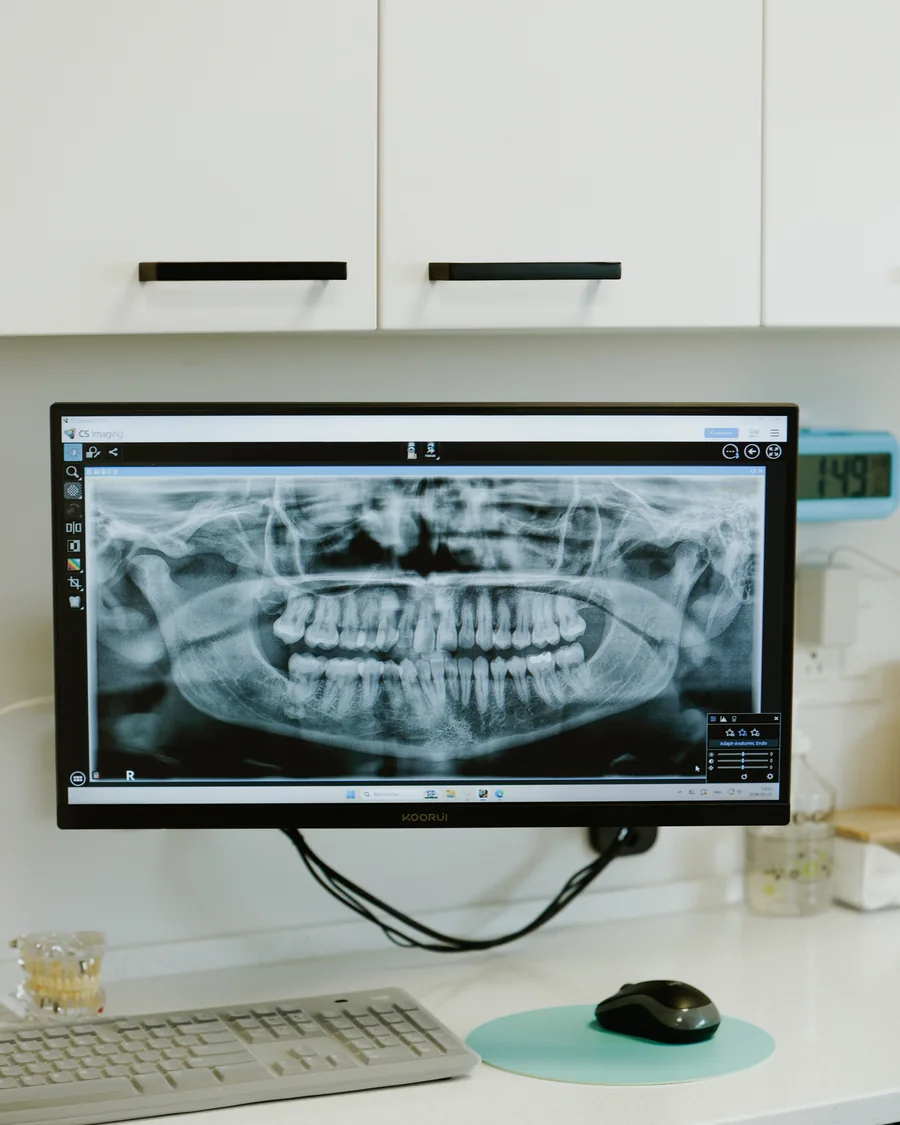
How much does a dentist earn in Quebec?
Labour market information shows annual income of about $106,000 (2020 data) for salaried dentists, but most dentists practise on a percentage basis or own their clinic, with often much higher income. Quebec has about 4,500 dentists, with a « good » outlook for 2025-2029. See the formulas offered at Go Dentiste.
What is a percentage dentist?
A dentist paid a percentage of the fees they produce or collect. According to the Canadian Dental Association, associates in group practices typically receive about 30% to 40% of collected fees, depending on what is included (lab, recall exams, X-rays). The exact percentage is negotiated.
Is the percentage calculated on production or on collected fees?
It is the most important question in the contract. On production, you are paid once the procedure is billed; on collected fees, you wait for the patient or insurer to pay and absorb bad debts. Also ask whether lab costs are deducted before or after the calculation.
Does a percentage dentist pay for the lab and materials?
It depends on the contract. In many clinics, lab costs are shared in the same proportion as the percentage, or deducted from production before calculation. At Go Dentiste, no management or marketing fees are charged to the dentist; precise terms are discussed at the interview.
What are the advantages of being a salaried dentist?
Predictable income, paid vacation, sometimes group insurance, and no management. The drawbacks: an income ceiling and less freedom over schedule and treatments. Salaried positions exist mainly in CLSCs, hospitals, the Armed Forces and some large organizations.
How much does a clinic-owning dentist earn?
The owner receives their clinical compensation plus the business profit, but carries the loans, management and risk. Profit depends on the number of dentists and hygienists, room occupancy and fixed costs. The clinic itself is an asset that is sold at retirement.
What is an owner dentist?
A dentist who holds an ownership share of their clinic without carrying the financing alone. At Go Dentiste, the group brings the capital and guarantees for eligible projects; the dentist keeps clinical control and shares in the value created. The model is explained on the Become an owner dentist at Go Dentiste page.
Which questions should you ask before signing a percentage contract?
New patients per month, turnover of previous dentists, who pays the lab, calculation basis (production or collected), payment frequency, guaranteed schedule, mentoring, non-competition clause (radius and duration) and ownership possibilities. The Canadian Dental Association publishes a similar list of questions.
Does a young dentist’s income rise quickly?
Yes, generally during the first three to five years, with speed, confidence and the range of treatments (endodontics, surgery, implants). A clinic that provides a full agenda and assistants accelerates that curve; a clinic where you must build your own patient base slows it down.
How does a dentist compare two offers?
Simulate net annual income: expected production × percentage − lab − costs, on a realistic schedule, then add the value of non-monetary items: patients provided, team in place, technology, schedule and, above all, the path to ownership. Our Dentist jobs page describes the two formulas offered.
Go further
- Dentist jobs: percentage or ownership
- Become an owner dentist at Go Dentiste
- Dental career guide: the 1,000 questions
- All positions at Go Dentiste
Sources and references
- Gouvernement du Québec — Dentists: outlook and training (IMT)
- Canadian Dental Association — Career options: key questions on associateships
- ODQ — Welcome kit for new members
Content prepared by the Go Dentiste team (Dr Dominic Morel-Maynard, general dentist and owner). Last updated: September 25, 2026. General information for guidance only: only an in-clinic exam can establish a diagnosis and a treatment plan suited to your situation.