Career guide · Training, diplomas and professional orders
Internships and first job in a dental clinic: a successful start
The internship is often the direct gateway to the first job. Here is how to choose it, succeed at it and turn the first weeks into a solid position.
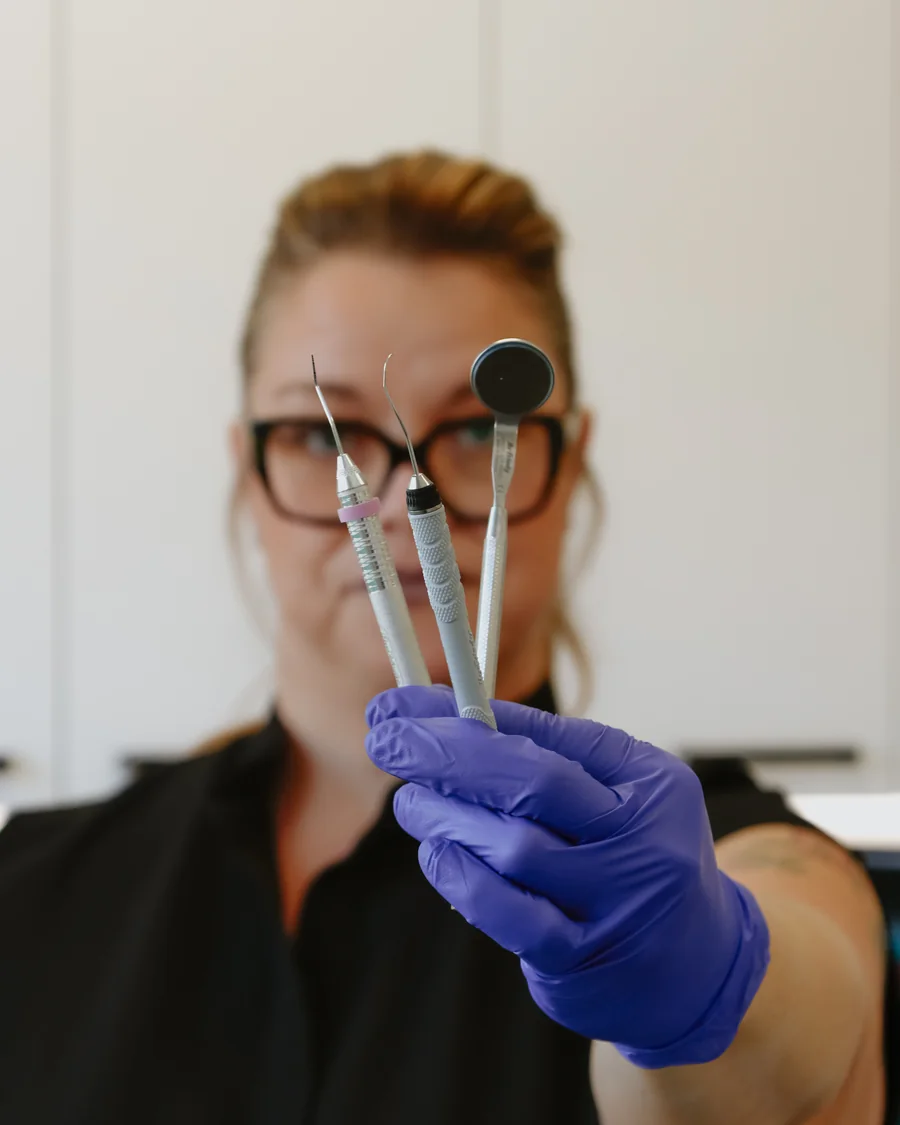
How do you choose your internship clinic?
Look for a clinic where you will see variety (children, adults, periodontics, emergencies), with professionals available to supervise you and recent equipment. A clinic that is hiring is often a good choice: it has an interest in training you well. Go Dentiste welcomes hygiene and dental assisting interns.
Does an internship really lead to a job?
Very often: during a shortage, a competent intern receives an offer before the placement ends. The internship is a weeks-long interview in both directions; observe whether you like the team as much as it likes you.
How do you stand out during an internship?
Punctuality, initiative (offering to help with sterilization, recalls), relevant questions, humility and rigour in protocols. Note what you learn each day. Clinics keep interns who fit into the team, not just the fastest ones.
Is the internship paid?
School placements are generally unpaid, unless agreed otherwise or in a work-study program; some clinics offer an allowance or a signing bonus after the placement. Once hired, all time worked, including training, is paid under labour standards.
How do you negotiate your first salary without experience?
Rely on official data (hygienists: $31 to $35 early in the career; assistants with a DEP: around $21 to $25) and negotiate the trajectory: review after three months, then at one year, with criteria. See our guide Negotiating your salary.
What does a good onboarding period look like?
Pairing with an experienced colleague, a lighter agenda in the first weeks, written protocols, a weekly check-in with management and honest feedback. A clinic that leaves you alone from day two has no onboarding plan.
Which mistakes do beginners make most often?
Not asking questions for fear of disturbing, underestimating sterilization and documentation, accepting tasks outside their scope (such as taking X-rays, which is reserved to dentists and hygienists), and comparing themselves to experienced colleagues from the first week. The learning curve takes months; that is normal.
Does mentoring exist in dental clinics?
Increasingly: structured clinics designate a buddy or mentor. For beginning dentists, mentoring by an experienced dentist is decisive; at Go Dentiste, new graduates are supported by Dr. Dominic Morel-Maynard and the team.
Should you accept the first offer you receive?
Not necessarily: compare at least two clinics (total compensation, schedule, onboarding, equipment, distance). But do not drag it out: a good offer with a good team beats an endless search. Ask for a few days to think, never weeks.
How do you turn a first job into a career?
Train continuously, take on responsibilities progressively, stay long enough to master the position (at least a year) and choose a clinic that is growing. A banner opening new clinics, like Go Dentiste in Saint-Zotique in 2027, creates growth positions for its employees.
Go further
- Mentoring and onboarding new staff
- Jobs in Saint-Zotique (opening 2027)
- Dental career guide: the 1,000 questions
- All positions at Go Dentiste
Sources and references
- Gouvernement du Québec — Dental hygienists: wages and outlook (IMT)
- Gouvernement du Québec — Dental assistants: wages and outlook (IMT)
- CNESST — Labour standards in Quebec (brochure)
Content prepared by the Go Dentiste team (Dr Dominic Morel-Maynard, general dentist and owner). Last updated: September 25, 2026. General information for guidance only: only an in-clinic exam can establish a diagnosis and a treatment plan suited to your situation.