Career guide · Benefits and well-being
Recognition, team activities and culture in dental clinics
People rarely leave a clinic over two dollars an hour; they leave because they do not feel recognized. Here is how to assess this dimension before accepting.
Why does recognition matter so much in dental clinics?
Because the work is demanding, precise and often invisible to the patient: perfect sterilization or a well-filled agenda only get noticed when they are missing. Dental labour market surveys show that climate and recognition weigh as much as pay in departures.
What does recognition look like day to day?
A specific thank-you from the dentist after a difficult case, regular feedback from the operations manager, mentioning good work at team meetings, and genuinely listening to suggestions. These are free gestures that separate a team that stays from a team that turns over.
Do clinics organize team activities?
Many do: lunches, outings, birthday celebrations, the opening of a new clinic, a year-end party. What matters is not frequency but that everyone is included, including part-time and weekend staff, and that it is on paid time or truly voluntary.
Do recognition bonuses exist?
Yes: seniority bonuses (for example at 3, 5 and 10 years), a year-end bonus, a gift card after an intense period, a day off offered. They do not have to be large; their regularity and transparency matter more.
How does recognition show up in the annual review?
Through clear goals set together, honest feedback on what is going well and less well, and an explained pay decision. A review with no raise and no explanation demotivates; no review at all is worse. Ask how the review is conducted in the clinic.
What role does management play in culture?
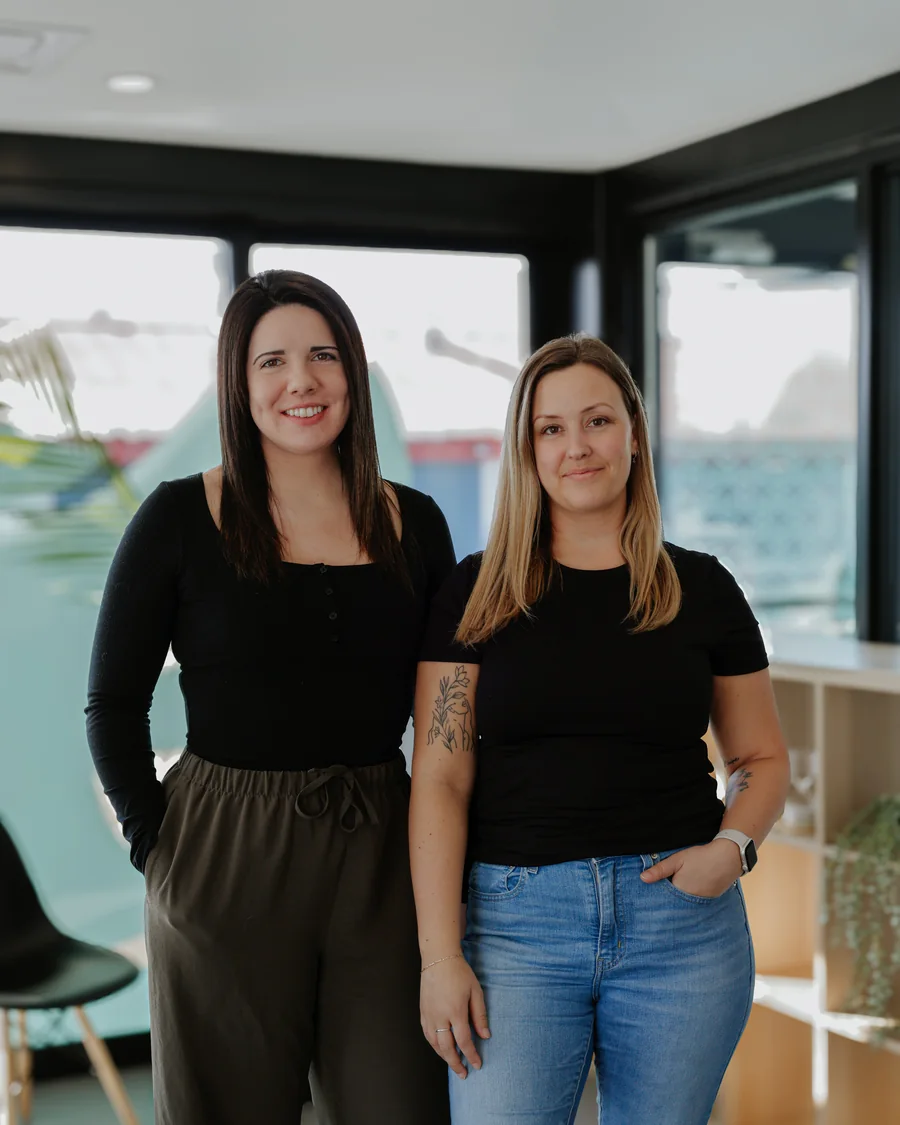
A decisive one: a present, accessible and consistent director of clinical operations creates a stable culture. At Go Dentiste, Maryse Milton, director of clinical operations, coordinates the teams of the three clinics; meet the team to get a sense of it.
How do you spot a good culture during the visit?
Watch how employees talk to each other, whether dentists say hello to everyone, whether the staff room is used, whether people smile without forcing it. Ask an employee what she would change: a frank, nuanced answer is an excellent sign.
Can a new clinic have a good culture from the start?
Yes, if it is opened by a team that already has a culture elsewhere. The Vaudreuil-Dorion opening carries over the formula and part of the Valleyfield team; taking part in an opening is also a unique chance to shape a clinic’s culture.
Does recognition also concern dentists?
Absolutely: percentage dentists want a team that supports them, management that solves problems and recognition of their contribution, including the possibility of becoming an owner. A clinic that values its dentists also keeps its hygienists and assistants.
Which questions should you ask to assess culture?
How long has the most senior employee been here? How do you celebrate successes? When did you last implement an employee’s suggestion? How do you handle a conflict between two colleagues? Concrete answers are worth more than slogans.
Go further
- Meet the Go Dentiste team
- Recognizing a good team culture
- Dental career guide: the 1,000 questions
- All positions at Go Dentiste
Sources and references
- CDHA — 2025 job market survey of dental hygienists
- Personnel Dentaire — Is there really a shortage of dental hygienists in Quebec?
Content prepared by the Go Dentiste team (Dr Dominic Morel-Maynard, general dentist and owner). Last updated: September 25, 2026. General information for guidance only: only an in-clinic exam can establish a diagnosis and a treatment plan suited to your situation.