Career guide · Training, diplomas and professional orders
Returning to work or changing careers into dentistry
A five-year break or a career in another field does not close the door to dental clinics. Here is how to come back or get in, at any age.
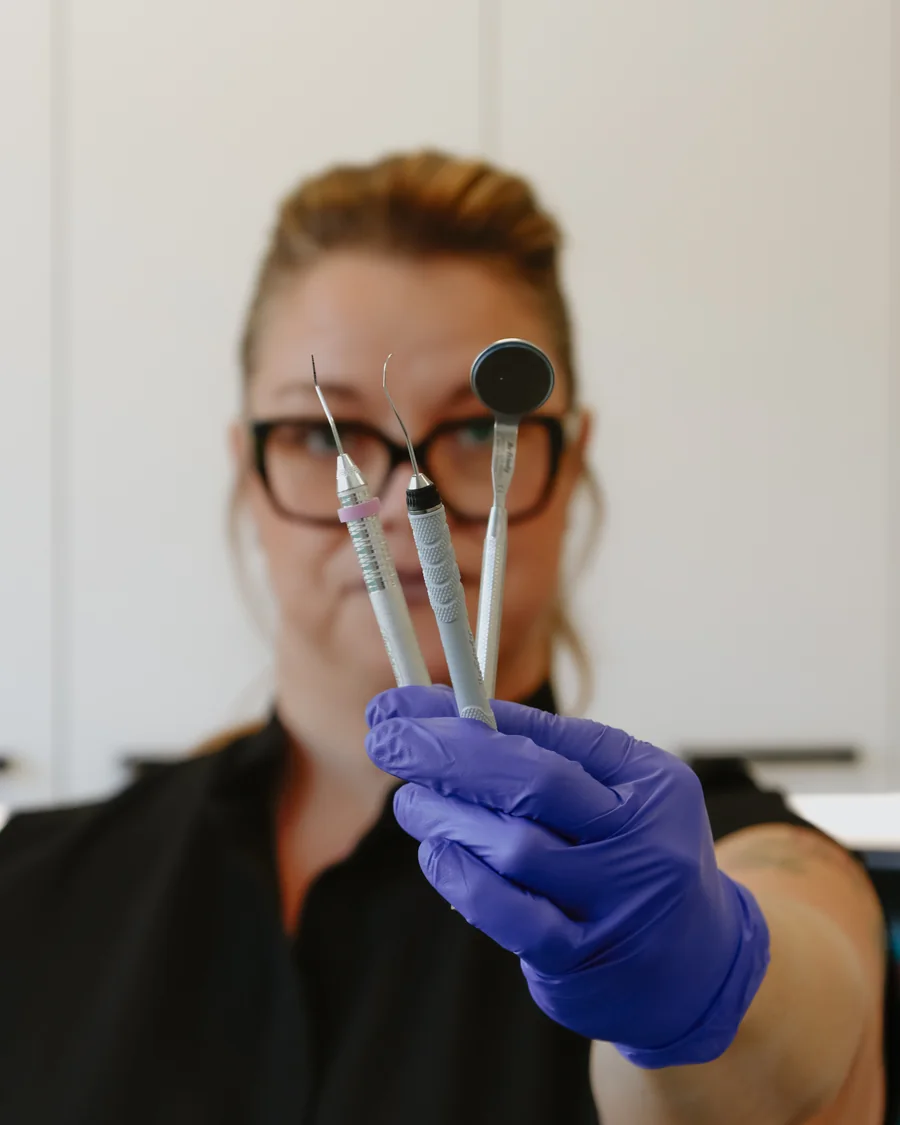
Can you return to a dental clinic after several years away?
Yes. For hygienists and dentists, the professional order may require upgrading or a reintegration placement depending on the length of the absence; for assistants and receptionists, no formality, just a refresher on software and protocols. The shortage makes employers very open to returns.
What upgrading does a returning hygienist need?
Check your status with the OHDQ (re-registration, continuing education to catch up on, possible placement), review recent changes (Bill 29, new instruments, digital records) and plan the first weeks paired with a colleague. A well-structured clinic organizes this gradual return.
Can you change careers into dentistry at 40 or 50?
Absolutely: the DEP in dental assisting (1,500 hours) and medical secretarial training welcome many adults changing careers, and clinics value maturity, reliability and customer service experience. Age is not an obstacle; motivation and rigour rarely are.
Which positions are accessible without long training?
Dental assistant trained on site (sterilization first), secretary or receptionist, administrative coordinator if you have management experience, and sterilization attendant. These are real entry points, with possible progression. See open positions at Go Dentiste.
How do you present a break in your resume?
Simply and without apology: « 2021-2026: parental leave » or « caring for a relative ». Emphasize what you maintained (training, volunteering, transferable skills) and your current availability. Clinic employers see resumes with breaks every day.
Is experience in sales, restaurants or nursing valued?
Yes: customer service, stress management, teamwork and rigour transfer directly. Licensed practical nurses and patient attendants adapt particularly quickly to dental assisting. Translate your experience into concrete skills in your letter.
Are short courses worth it?
For the front desk, a few months of medical secretarial or dental billing training speeds up hiring; for assisting, radiography and asepsis training is an immediate asset. Vocational training centres offer part-time or evening formats.
Is there financial help to change careers?
Yes: Quebec loans and bursaries, Services Québec training measures (with an allowance in some cases), subsidized training for trades in shortage and recognition of prior learning programs. Check with your regional Services Québec office before enrolling.
How do you regain your physical rhythm?
Resume gradually (part-time in the first weeks if possible), take care of ergonomics from day one (chair, loupes, breaks) and speak up early about any pain. Our guide Ergonomics and MSD prevention gives the basics.
Which type of clinic should you choose for a return or a career change?
A clinic with a team large enough to pair you, flexible schedules to ease back in and management used to integrating varied profiles. New and growing clinics, like Vaudreuil-Dorion and Saint-Zotique, are precisely recruiting people from all backgrounds.
Go further
- Becoming a dental assistant: the DEP
- Dental assistant jobs, with or without experience
- Dental career guide: the 1,000 questions
- All positions at Go Dentiste
Sources and references
- Ordre des hygiénistes dentaires du Québec
- Gouvernement du Québec — Dental assistants: wages and outlook (IMT)
- FP Montérégie — DEP in dental assisting (1,500 hours)
- Personnel Dentaire — Is there really a shortage of dental hygienists in Quebec?
Content prepared by the Go Dentiste team (Dr Dominic Morel-Maynard, general dentist and owner). Last updated: September 25, 2026. General information for guidance only: only an in-clinic exam can establish a diagnosis and a treatment plan suited to your situation.