Career guide · Types of clinics and models
Urban, suburban or rural clinic: which setting should you choose?
City, suburbs or region: the same hygienist or assistant position is lived differently depending on the setting. Here are the concrete differences to choose knowingly.
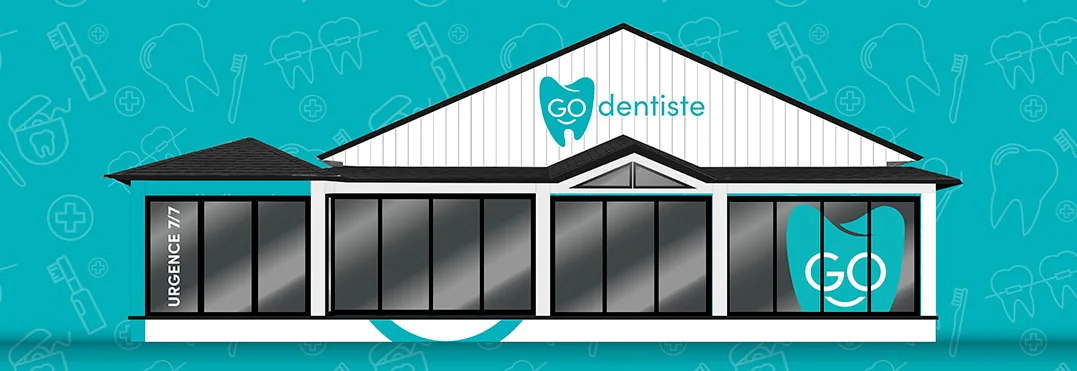
What are the characteristics of an urban clinic?
Diverse, mobile clientele, strong competition, expensive rents and parking, public transit, often extended hours, multicultural teams. Pay is not necessarily higher than in the suburbs, while the cost of living is.
And a suburban clinic?
Loyal family clientele, population growth, free parking, short commutes if you live nearby, often new and digital clinics, 7-day hours increasingly common. Vaudreuil-Dorion and Valleyfield are good examples.
And a clinic in a remote region?
A more pronounced staff shortage, hence regional bonuses, relocation help and sometimes tax benefits for certain regions; a very loyal clientele, strong community life, but fewer clinics for changing employers and services sometimes farther away.
Where is real pay highest?
Often in the suburbs or regions, once housing, transport and parking are deducted: provincial data show comparable rates, and fixed costs differ a lot. See Cost of living and housing.
Where is technology most advanced?
Where clinics are new or reinvested in, which is often the case in growing suburbs; established urban clinics sometimes age. Do not assume: ask the year of the equipment.
Where is growth easiest?
In the city, through the number of clinics; in the suburbs, through the growth of banners opening clinics; in regions, through the scarcity of staff that accelerates responsibilities. Each setting has its path.
Which setting suits a new graduate?
The one that offers the best supervision: a well-structured urban or suburban clinic with mentoring is ideal for learning; regions suit autonomous people who want responsibilities and a bonus quickly.
And a family?
The suburbs, often: short commutes, schools, daycares, accessible homes, clinics open 7 days that allow adapted schedules. It is the choice of many professionals leaving Montreal. See Leaving Montreal for the suburbs.
Are the suburbs a compromise?
Rather a combination: access to a city’s services and variety, the cost and calm of a region, 30 or 40 minutes from Montreal. Vaudreuil-Soulanges, with its growth and new clinics, illustrates this in-between setting.
How do you decide?
List your priorities (real income, commute, family, growth, technology), do the real commute to each clinic under consideration and compare total compensation net of fixed costs. Go Dentiste is recruiting in the suburbs, in Valleyfield, Vaudreuil-Dorion and Saint-Zotique. See positions.
Go further
- Leaving Montreal for the suburbs
- Cost of living and housing
- Dental career guide: the 1,000 questions
- All positions at Go Dentiste
Sources and references
- Gouvernement du Québec — Dental hygienists: wages and outlook (IMT)
- Gouvernement du Québec — Wage guide by occupation, 2024 edition (PDF)
- Institut de la statistique du Québec
Content prepared by the Go Dentiste team (Dr Dominic Morel-Maynard, general dentist and owner). Last updated: September 25, 2026. General information for guidance only: only an in-clinic exam can establish a diagnosis and a treatment plan suited to your situation.