General dentistry
Root canal treatment (endodontics) in Valleyfield and Vaudreuil-Dorion
Root canal treatment (endodontics) removes the infected or inflamed pulp from inside a tooth, cleans and disinfects the root canals, then seals them. It relieves the pain, eliminates the infection and saves a tooth that would otherwise have to be extracted.
At a glance
| Duration | 60 to 90 minutes (1 or 2 visits) |
| Anesthesia | Local |
| Pain during treatment | None, under anesthesia |
| Afterwards | Sensitivity for 2 to 5 days, managed with common pain relievers |
| Success rate | High; the tooth can last a lifetime if it is restored and maintained |
Offered in Valleyfield and Vaudreuil-Dorion, 7 days a week in Valleyfield and Monday to Friday in Vaudreuil-Dorion. Phone: 514-533-3368.
Root canal treatment: what you need to know
Inside every tooth is a soft tissue called the pulp, made of nerves and blood vessels. When a deep cavity, a crack or a blow lets bacteria reach it, the pulp becomes inflamed and then infected: this is the source of intense toothaches and abscesses. Root canal treatment removes that damaged tissue while keeping the root and the natural crown of the tooth.
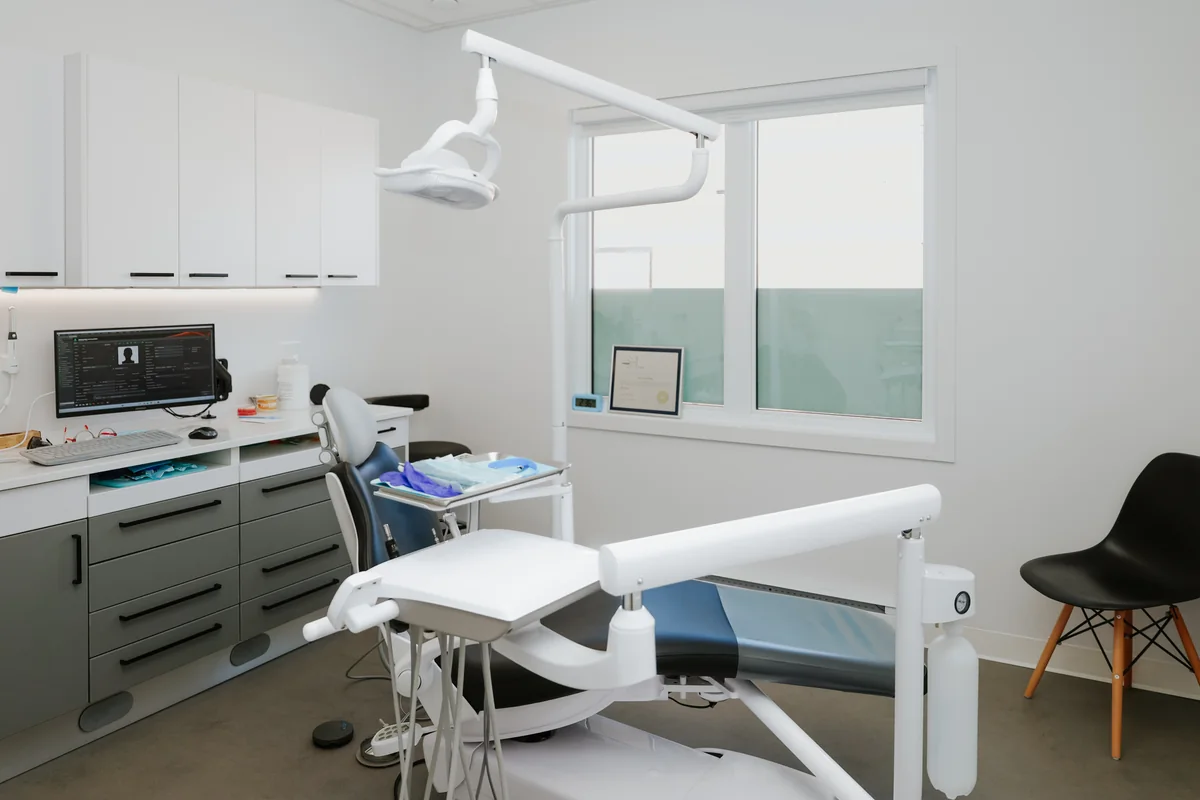
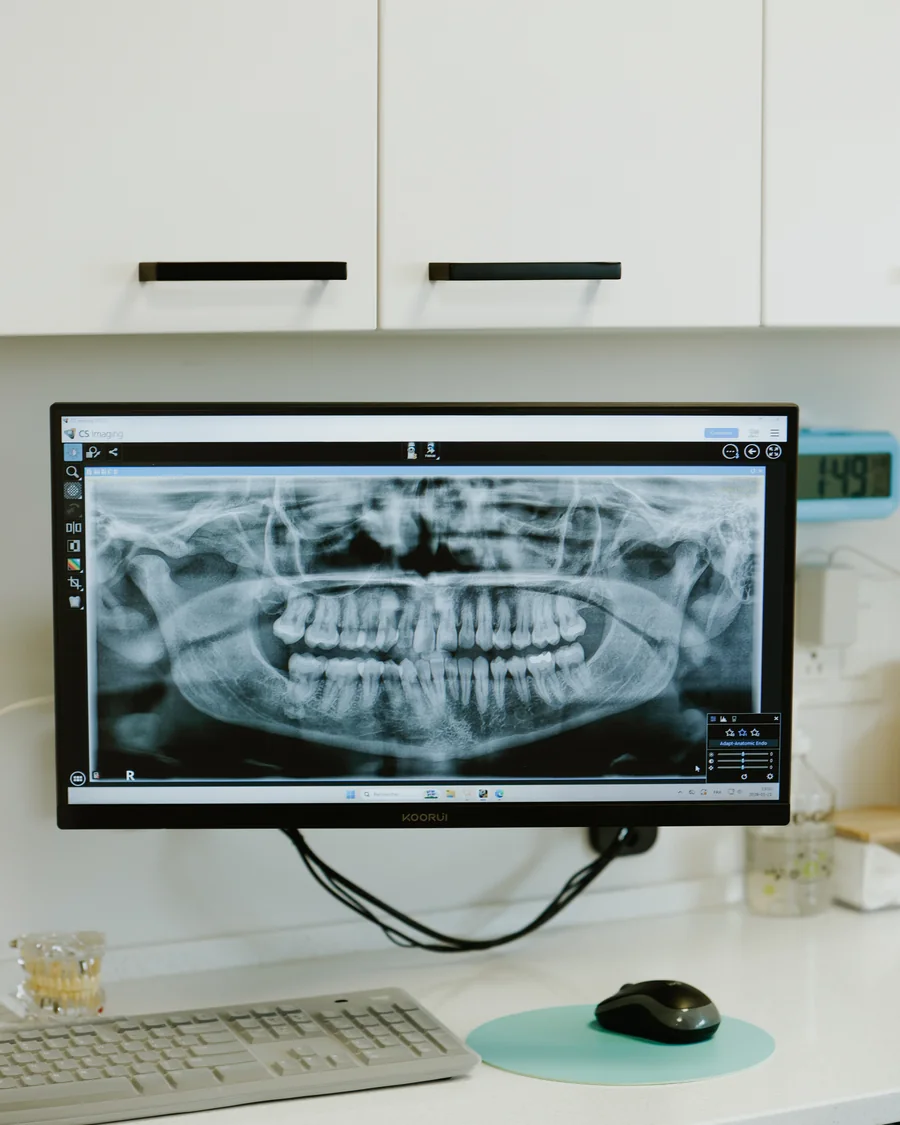
Contrary to its reputation, a modern root canal is done under local anesthesia and is no more uncomfortable than a filling. At Go Dentiste, our general dentists perform root canal treatments at both clinics with rotary files, electronic apex location and digital X-rays, which make the procedure faster and more precise. Complex cases are referred to an endodontist when needed.
When is a root canal necessary?
- Intense, throbbing pain that wakes you at night or gets worse when lying down
- Prolonged sensitivity to heat or cold that lingers after the stimulus is gone
- Pain when chewing or pressing on one specific tooth
- Swelling of the gum, a pimple-like bump that drains pus, or a bad taste in the mouth
- A tooth that has darkened after a blow
- A deep cavity or an old, very large filling with signs of infection on the X-ray
How the treatment works, step by step
1. Diagnosis and X-ray
The dentist tests the tooth (cold, percussion, palpation) and takes an X-ray to confirm that the pulp is affected and to see the shape of the roots.
2. Deep local anesthesia
The tooth and surrounding tissues are fully numbed. For an acutely infected tooth, the dentist may use additional anesthetic techniques to ensure comfort.
3. Isolation with a rubber dam
A small sheet of latex-free rubber isolates the tooth from saliva, keeping the canals clean and protecting you during the procedure.
4. Accessing and cleaning the canals
A small opening is made in the crown of the tooth; the pulp is removed and each canal is shaped and disinfected with fine instruments and antiseptic solutions.
5. Filling the canals
The cleaned canals are sealed with a biocompatible material (gutta-percha) and a sealer to prevent bacteria from returning.
6. Final restoration
A temporary or permanent filling closes the tooth. A crown is often recommended afterwards on molars and premolars to protect the tooth from fracture.
Benefits
- Immediate relief from the pain caused by the infected nerve
- Saves the natural tooth and preserves the bone around it
- Avoids the cost and time of replacing an extracted tooth
- Keeps your bite and chewing intact
- Stops the infection from spreading to the jaw and surrounding tissues
After the treatment: advice
- Wait until the numbness is gone before eating, and chew on the other side for a few days
- Take the recommended pain reliever (ibuprofen and/or acetaminophen) for the first 48 hours if needed
- Some tenderness when biting is normal for a few days; it should decrease day by day
- Do not delay the final restoration or the crown: a treated tooth left with a temporary filling can fracture or become reinfected
- Call us if swelling increases, if the temporary filling comes out or if pain worsens after three days
Alternatives and options
The only alternative to a root canal on an infected tooth is extraction, followed by replacement with an implant, a bridge or a partial denture. Antibiotics alone do not cure the infection because they do not reach the inside of the tooth. When the tooth is too damaged to be restored, extraction becomes the better option, and your dentist will explain the choices with their costs.
Root canal treatment in Valleyfield and Vaudreuil-Dorion
Go Dentiste Valleyfield
Address:
785 Monseigneur-Langlois Boulevard
Salaberry-de-Valleyfield, Quebec J6S 0B1
Opening hours
| MondayMon | 8 a.m. – 5 p.m. |
|---|---|
| TuesdayTue | 8 a.m. – 7 p.m. |
| WednesdayWed | 8 a.m. – 5 p.m. |
| ThursdayThu | 8 a.m. – 5 p.m. |
| FridayFri | 9 a.m. – 2 p.m. |
| SaturdaySat | 9 a.m. – 2 p.m. |
| SundaySun | 9 a.m. – 2 p.m. |
Phone: 514-533-3368

Go Dentiste Vaudreuil-Dorion
Address:
275 Harwood Boulevard
Vaudreuil-Dorion, Quebec J7V 1Y3
Opening hours
| MondayMon | 9 a.m. – 4 p.m. |
|---|---|
| TuesdayTue | 9 a.m. – 4 p.m. |
| WednesdayWed | 9 a.m. – 4 p.m. |
| ThursdayThu | 9 a.m. – 4 p.m. |
| FridayFri | 9 a.m. – 4 p.m. |
| SaturdaySat | Closed |
| SundaySun | Closed |
Phone: 514-533-3368
Frequently asked questions about root canal treatment
Does a root canal hurt?
The treatment itself is done under local anesthesia and should not hurt. The pain people associate with root canals is actually the toothache that comes before the treatment. Some soreness for a few days afterwards is normal and is controlled with over-the-counter pain relievers.
How long does a root canal take?
Usually 60 to 90 minutes. Front teeth with one canal are faster; molars with three or four canals may require two visits, particularly when there is an active infection to control first.
Do I absolutely need a crown after a root canal?
For molars and premolars, a crown is strongly recommended because a treated tooth becomes more brittle. For a front tooth with little damage, a well-done filling may be enough. Your dentist will advise you based on how much tooth structure remains.
How much does a root canal cost?
The cost depends on the tooth: a front tooth with one canal costs less than a molar with several canals. A written estimate is provided before treatment, and most insurance plans and the CDCP cover a significant portion.
Can a root canal be done as an emergency?
Yes. At Go Dentiste, an emergency visit for a severe toothache often includes starting the root canal the same day to relieve the pain, with the treatment completed at a second visit.
Can a treated tooth get reinfected?
It is uncommon, but it can happen if a canal was missed, if the seal breaks down or if a new cavity develops. A retreatment or a small surgical procedure can often save the tooth again.
Related treatments
See also: General dentistry · All our dental services · Emergency dentist
Book an appointment in Valleyfield or Vaudreuil-Dorion
New patients welcome, same-day emergencies. One phone number for both clinics.
Content prepared by the Go Dentiste team (Dr Dominic Morel-Maynard, general dentist and owner). Last updated: September 25, 2026. General information for guidance only: only an in-clinic exam can establish a diagnosis and a treatment plan suited to your situation.